 Perpustakaan Sultan Ismail


Tun Saban Pengasas Hulu Perak: Persejarahan dan Kelestarian Warisan
by Jelani Harun
Tun Saban Pengasas Hulu Perak: Persejarahan dan Kelestarian Warisan menampilkan perdebatan yang luas dan terperinci tentang asal usul, sejarah dan warisan Tun Saban selaku tokoh pengasas dan pembesar ...
Read More

Unexpected Tales
by Marty C. Lee
Four short stories from Kaiatan, the world of Unexpected Heroes.
In an underwater village in Nokailana, can the friendship of the new boy and a pretty girl last, or will his arrogant dad ruin everythi ...
Read More


Unveiling the Secrets of Magic and Magicians
by Mohammad Amin Sheikho
How terrible are the words that issued from the mouths of those deceivers from amongst the jews, who used false statements to insert intrigue into the books of Islam.
Their words about the possible u ...
Read More
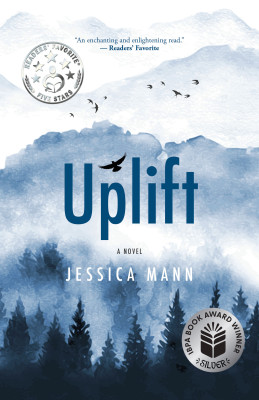
Uplift
by Jessica Mann
- North Street Book Prize, First Prize
- IBPA Book Awards Silver medal
- National Indie Excellence Awards Winner
- Readers' Favorite Bronze medal
- NYC Big Book Awards Winner
- Hollywood Book Festival ...
Read More

USAHAWAN IKAN HIASAN IKAN LAGA : PEMBIAK BAKA, PENTERNAK & PENJUAL
by LEE SEONG WEI, WENDY WEE, PETTER CHONG, AHMAD AIMAN MOHD AZMI, CHENG KEAT TIONG / WONG JAY CHUN
Penerbitan buku ini bertujuan untuk dijadikan sebagai panduan dan rujukan kepada masyarakat umum Malaysia terutamanya ahli akademik, para pelajar, penternak dan penjual ikan laga.
Dengan terbitnya bu ...
Read More
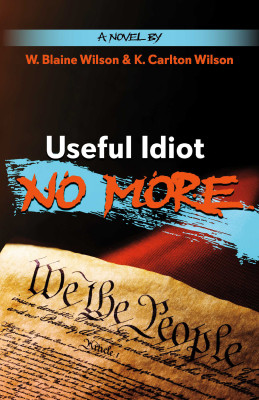
Useful Idiot No More
by K. Carlton Wilson
Three students from different walks of life challenge a progressive history professor who has a reputation for separating students from their religious beliefs and converting them into Marxists. When ...
Read More

Ustaz, Apa Hukumnya Ibadah
by Dr. Farid Ravi Abdullah
Agama adalah kefahaman, setiap orang Islam wajib mengetahui apa yang boleh dan apa yang tidak boleh dalam agama. Maksudnya dalam Islam ada halal ada haram, ada sunat dan harus, dan ada makruh. Untuk m ...
Read More

Vast
by Drew Chenault
A young man goes from retail work to being flung across the galaxy. Dangers, excitement, war, adventure, and colorful characters await him as he looks to find a place to belong.
Read More